What a Weak Website Signals to Investors
Investors check your website before every meeting, and most startup sites are quietly killing deals before the conversation even starts.

4 min read
Copy URL
Copied!
What happens before the call
Before a partner call is scheduled, before a deck is reviewed in depth, and often before a reply is sent, investors visit the company’s website. The goal is not to read everything, but to form a fast judgment about the company’s clarity, maturity, and credibility.
This evaluation happens quickly. Within a few seconds, an impression is formed that influences whether the company is taken seriously. A website that appears incomplete, generic, or inconsistent with the pitch introduces friction at the exact moment where clarity is most important.
Deck and website misalignment
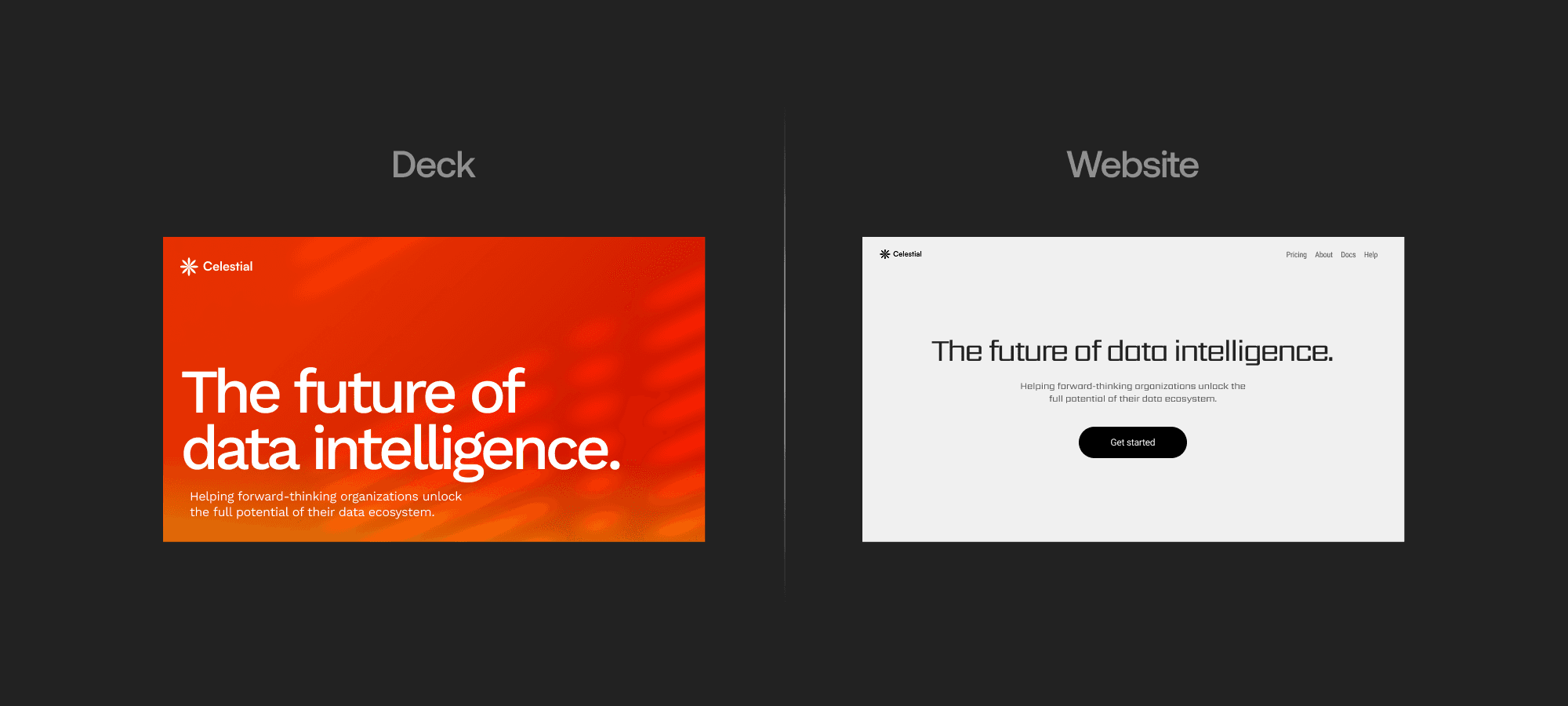
A common issue among early-stage and even funded startups is the disconnect between the pitch deck and the website.
From an external perspective, this creates the impression of two different companies. When the narrative in the deck does not match what is presented on the website, investors are forced to reconcile the difference themselves. In most cases, they do not.
Clarity is not something investors work to extract. It is something they expect to be immediately visible.
What a weak website signals
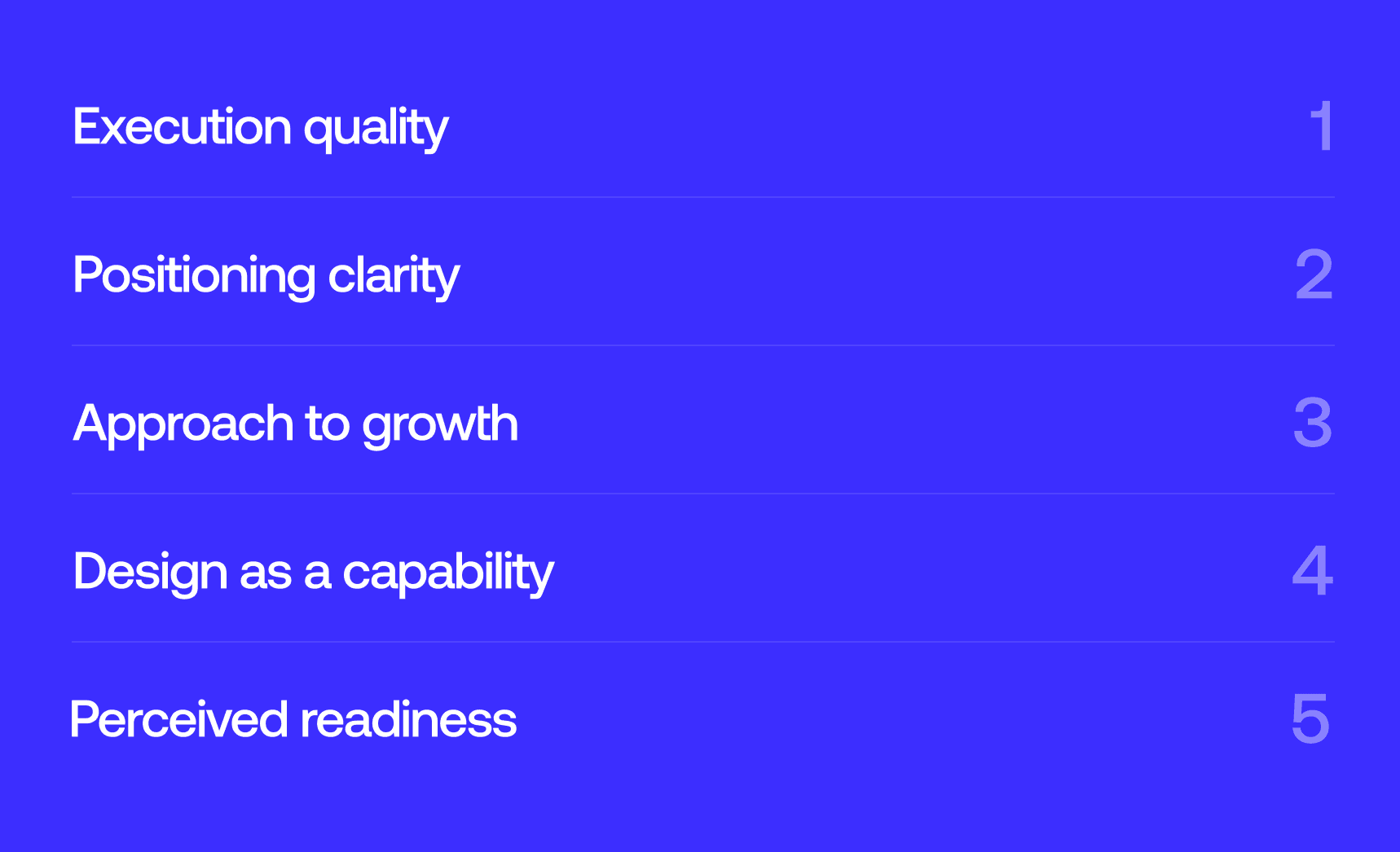
Investors rarely articulate negative reactions to a website in terms of design quality. Instead, they interpret it as a signal about the company itself. Several patterns tend to emerge:
Execution quality
A product that claims to simplify complex problems is expected to reflect that clarity across all touchpoints. If the website is difficult to navigate or understand, it raises questions about whether the product experience is equally inconsistent.
Positioning clarity
Websites that attempt to speak to multiple audiences or rely on generic language suggest that the company has not clearly defined its market. This lack of focus reduces confidence in the team’s strategic direction.
Approach to growth
A website is a primary interface for how customers discover, evaluate, and engage with a company. Underinvesting in it often signals that growth has not been considered in a structured way.
Design as a capability
For product-driven companies, design is not purely aesthetic. It reflects an understanding of user behavior, hierarchy, and communication. Weak design implies that this capability may be missing or undervalued.
Perceived readiness
There is a difference between an early prototype and a company that is preparing to scale. If the website does not reflect the stage at which the company is operating, particularly during or after a raise, it creates doubt.
What an effective startup website communicates
A great startup website doesn't just look good, it sends a message. It should deliver a small number of signals with clarity and precision.
Clear value proposition
The homepage should make it immediately clear what the company does, who it serves, and why it matters. Every word in the hero section is load-bearing.
Signal traction naturally
Credibility is reinforced through signals such as customer logos, metrics, testimonials, or partnerships. These elements should be integrated naturally into the structure of the page.
Make the product feel real
Abstract descriptions are insufficient. Visitors should be able to understand the product through visuals, demonstrations, or interaction.
Match your company's ambition
If a company positions itself as category-defining or operating at scale, the website should reflect that level of ambition. Design, structure, and content all contribute to this perception.
Drive one clear action
The website should guide the visitor toward a primary next step, not four competing CTAs. Multiple competing actions dilute attention and reduce conversion clarity.
Why timing matters
Pre-raise, investors may tolerate a degree of inconsistency or incompleteness as early-stage companies are expected to evolve quickly.
After a funding round, expectations change. The company is now evaluated against a different standard. Stakeholders (including customers, partners, and future investors) expect a level of coherence between what has been built and how it is presented.
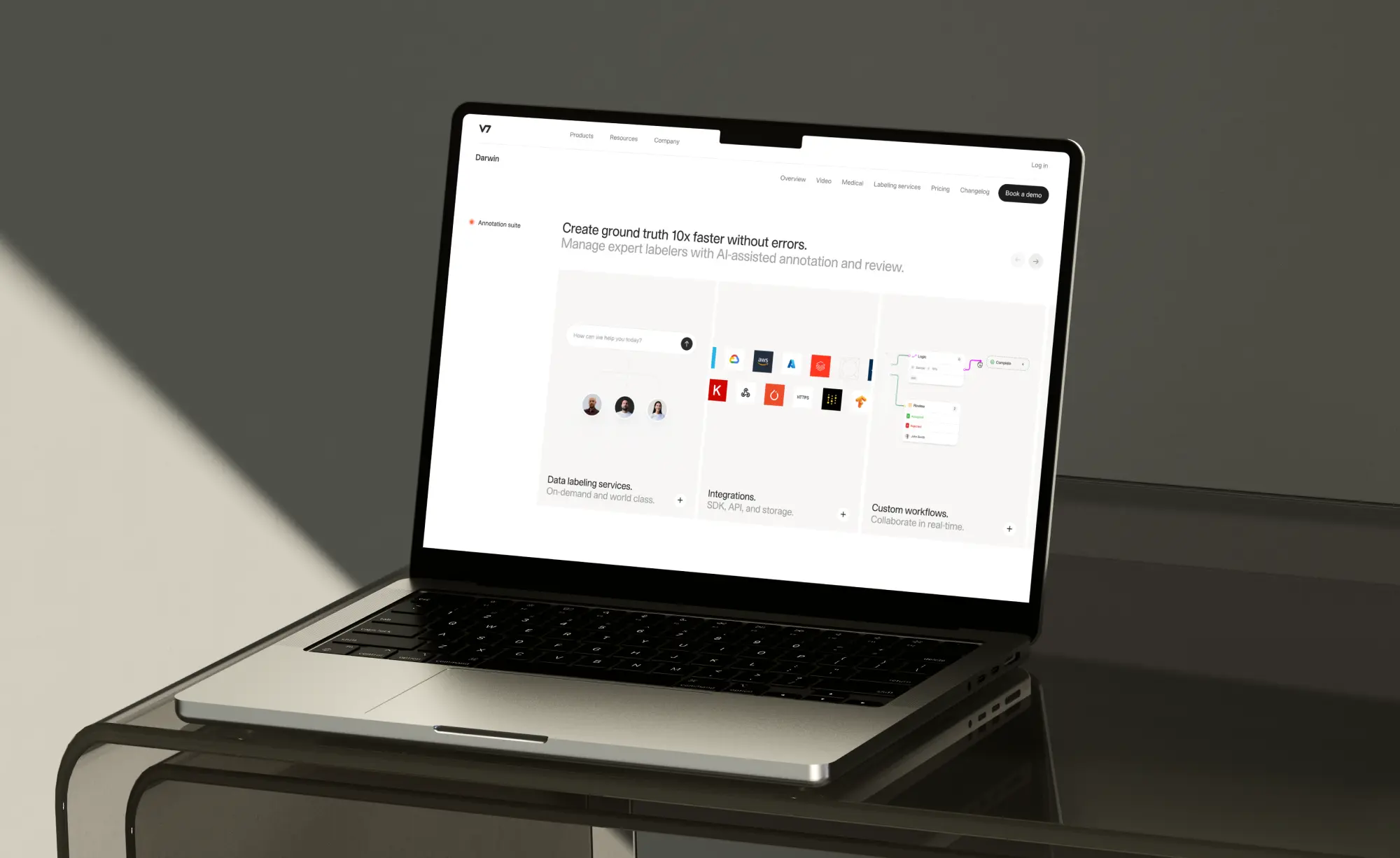
In a recent case with Galaxy, we were brought in after their seed round to develop a new site that matched their next stage.

Where to start
The answer is rarely to patch the current site. A more effective approach is to rebuild with a clear brief, starting with the narrative rather than the design.
Key questions include:
What is the simplest accurate description of the company?
Who is the primary audience?
What should a visitor understand within the first 30 seconds?
What perception should remain after leaving the site?
Design follows those answers. A well-designed startup website qualifies leads before you talk to them, builds trust before a single conversation happens, and tells the world that you are a company that belongs at the table.
Conclusion
In many cases, your website is the first interaction an investor has with the company outside of a pitch deck. If that interaction introduces doubt, it reduces the likelihood of further engagement.
A well-built website, by contrast, aligns perception with reality. It reinforces the narrative presented in the deck, clarifies the company’s position, and supports the broader goal of building trust before direct contact occurs.
Frequently asked questions
Do investors look at startup websites before responding?
Yes, visiting a company’s website is a standard part of initial evaluation. It provides a quick sense of clarity, positioning, and maturity.
How important is a website compared to a pitch deck?
The pitch deck is critical for structured communication, but the website often shapes the first impression. Inconsistent or unclear messaging between the two can weaken the overall narrative.
When should a startup invest in its website?
At a minimum, before actively fundraising. It becomes especially important immediately after a funding round, when expectations increase.
What are the most important elements of a strong startup website?
Clear positioning, visible product, credible proof signals, consistent design, and a focused next step for the visitor.
What happens before the call
Before a partner call is scheduled, before a deck is reviewed in depth, and often before a reply is sent, investors visit the company’s website. The goal is not to read everything, but to form a fast judgment about the company’s clarity, maturity, and credibility.
This evaluation happens quickly. Within a few seconds, an impression is formed that influences whether the company is taken seriously. A website that appears incomplete, generic, or inconsistent with the pitch introduces friction at the exact moment where clarity is most important.
Deck and website misalignment
A common issue among early-stage and even funded startups is the disconnect between the pitch deck and the website.
From an external perspective, this creates the impression of two different companies. When the narrative in the deck does not match what is presented on the website, investors are forced to reconcile the difference themselves. In most cases, they do not.
Clarity is not something investors work to extract. It is something they expect to be immediately visible.
What a weak website signals
Investors rarely articulate negative reactions to a website in terms of design quality. Instead, they interpret it as a signal about the company itself. Several patterns tend to emerge:
Execution quality
A product that claims to simplify complex problems is expected to reflect that clarity across all touchpoints. If the website is difficult to navigate or understand, it raises questions about whether the product experience is equally inconsistent.
Positioning clarity
Websites that attempt to speak to multiple audiences or rely on generic language suggest that the company has not clearly defined its market. This lack of focus reduces confidence in the team’s strategic direction.
Approach to growth
A website is a primary interface for how customers discover, evaluate, and engage with a company. Underinvesting in it often signals that growth has not been considered in a structured way.
Design as a capability
For product-driven companies, design is not purely aesthetic. It reflects an understanding of user behavior, hierarchy, and communication. Weak design implies that this capability may be missing or undervalued.
Perceived readiness
There is a difference between an early prototype and a company that is preparing to scale. If the website does not reflect the stage at which the company is operating, particularly during or after a raise, it creates doubt.
What an effective startup website communicates
A great startup website doesn't just look good, it sends a message. It should deliver a small number of signals with clarity and precision.
Clear value proposition
The homepage should make it immediately clear what the company does, who it serves, and why it matters. Every word in the hero section is load-bearing.
Signal traction naturally
Credibility is reinforced through signals such as customer logos, metrics, testimonials, or partnerships. These elements should be integrated naturally into the structure of the page.
Make the product feel real
Abstract descriptions are insufficient. Visitors should be able to understand the product through visuals, demonstrations, or interaction.
Match your company's ambition
If a company positions itself as category-defining or operating at scale, the website should reflect that level of ambition. Design, structure, and content all contribute to this perception.
Drive one clear action
The website should guide the visitor toward a primary next step, not four competing CTAs. Multiple competing actions dilute attention and reduce conversion clarity.
Why timing matters
Pre-raise, investors may tolerate a degree of inconsistency or incompleteness as early-stage companies are expected to evolve quickly.
After a funding round, expectations change. The company is now evaluated against a different standard. Stakeholders (including customers, partners, and future investors) expect a level of coherence between what has been built and how it is presented.
In a recent case with Galaxy, we were brought in after their seed round to develop a new site that matched their next stage.
Where to start
The answer is rarely to patch the current site. A more effective approach is to rebuild with a clear brief, starting with the narrative rather than the design.
Key questions include:
What is the simplest accurate description of the company?
Who is the primary audience?
What should a visitor understand within the first 30 seconds?
What perception should remain after leaving the site?
Design follows those answers. A well-designed startup website qualifies leads before you talk to them, builds trust before a single conversation happens, and tells the world that you are a company that belongs at the table.
Conclusion
In many cases, your website is the first interaction an investor has with the company outside of a pitch deck. If that interaction introduces doubt, it reduces the likelihood of further engagement.
A well-built website, by contrast, aligns perception with reality. It reinforces the narrative presented in the deck, clarifies the company’s position, and supports the broader goal of building trust before direct contact occurs.
Frequently asked questions
Do investors look at startup websites before responding?
Yes, visiting a company’s website is a standard part of initial evaluation. It provides a quick sense of clarity, positioning, and maturity.
How important is a website compared to a pitch deck?
The pitch deck is critical for structured communication, but the website often shapes the first impression. Inconsistent or unclear messaging between the two can weaken the overall narrative.
When should a startup invest in its website?
At a minimum, before actively fundraising. It becomes especially important immediately after a funding round, when expectations increase.
What are the most important elements of a strong startup website?
Clear positioning, visible product, credible proof signals, consistent design, and a focused next step for the visitor.
We work with venture-backed startups to build web presences that match their ambition.